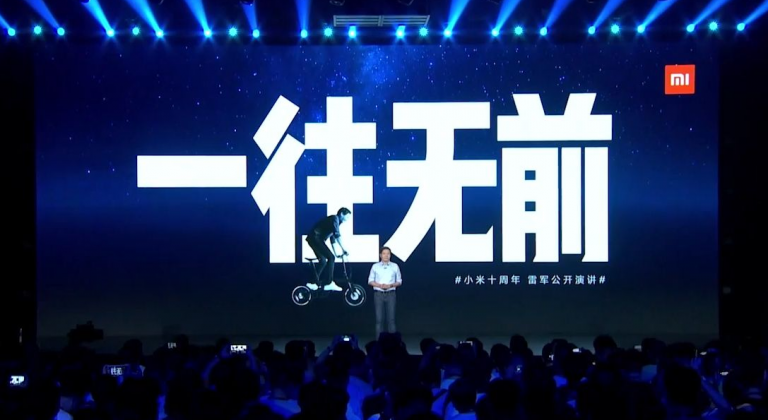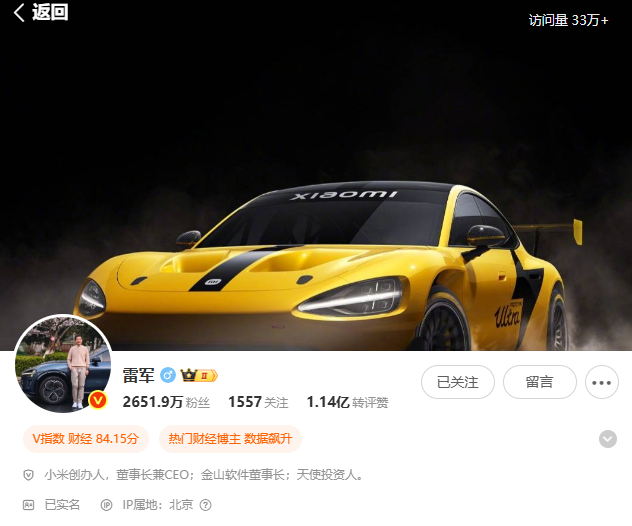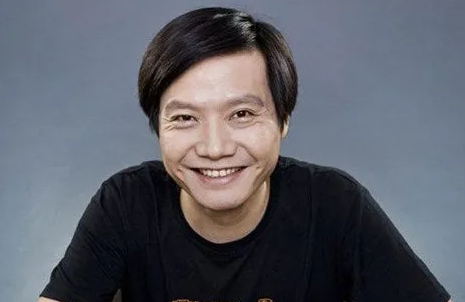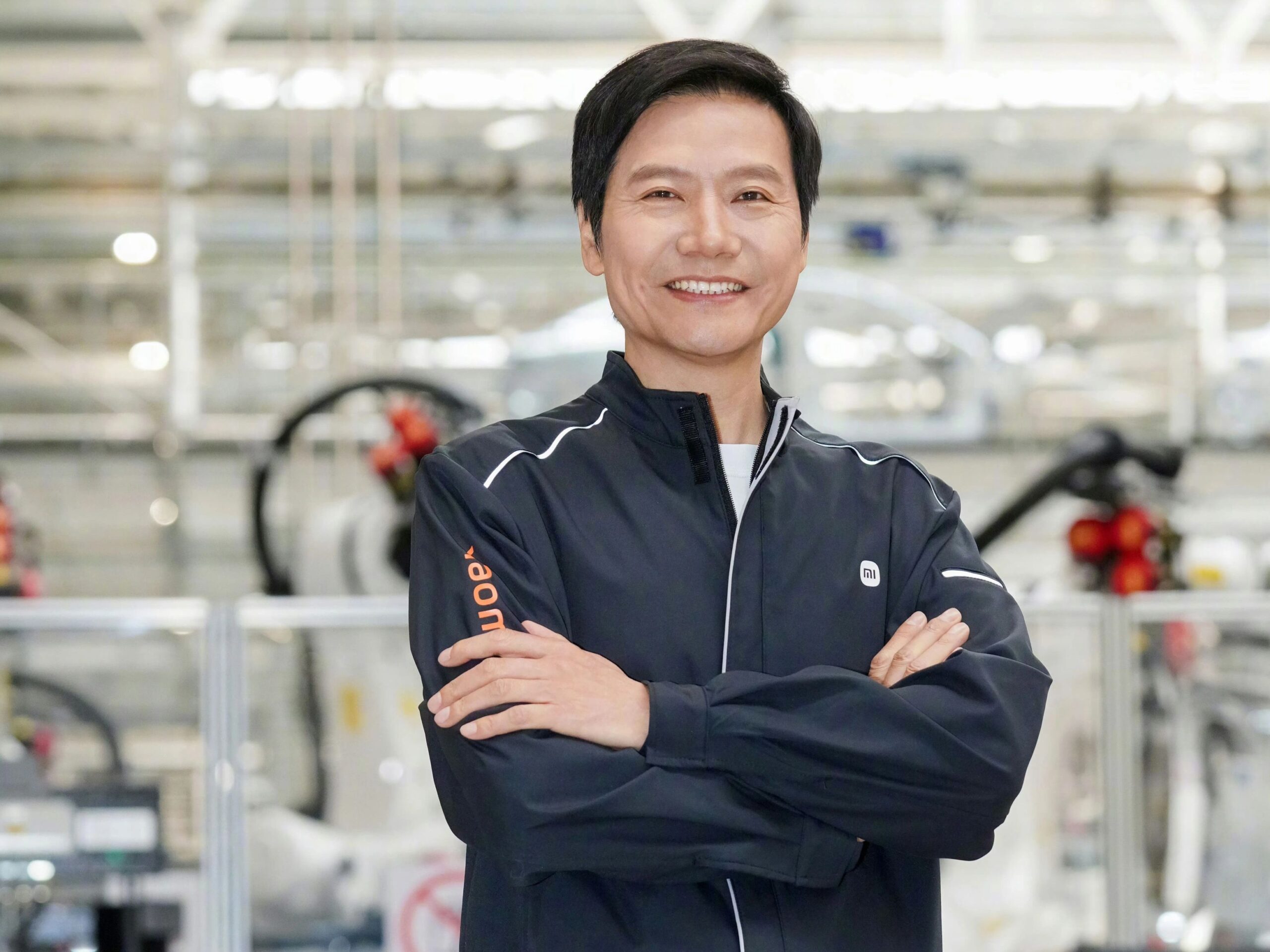
Lei Jun’s Business Strategy: How to Master Industry Trends and Build Xiaomi’s Win-Win Ecosystem
In-depth analysis of the business strategy of Lei Jun, founder of Xiaomi Technology
Lei jun’s strategic Thinking: Mastering Industry Cycles and Building Ecosystem Advantages
Lei Jun‘s business philosophy starts with deep insight into industry cycles, focusing on “doing the right thing at the right time”. This idea came from early failures: the 1996 Kingsoft Pangu Components failed because they ignored the rise of Windows, teaching him that “trends matter more than effort”.
1.Precisely Judging Industry Stages
Lei divides industry cycles into four stages: technology infancy, market explosion, maturity, and decline, excelling in laying out before the explosion:
Founded Xiaomi in 2010 when global smartphone penetration was <15%, seeing chip breakthroughs, Android maturity, and 3G network expansion.
Deployed smart home in 2013, predicting IoT standardization would create a trillion-dollar market.
Entered new energy vehicles in 2021, seizing falling battery costs and autonomous driving tech.
This strategy is based on the “diagonal strategy”: avoiding intense competition in mature markets and seeking opportunities at the intersection of technological changes. For example, Xiaomi SU7 chose sedans over SUVs, seeing China’s second-car demand shift from “space priority” to “smart experience priority”.
2.Ecosystem Construction Method
His “Three-stage Rocket Model” builds competitive barriers:
1st Stage (Entry Product): High-cost-performance hardware (phones/cars) with <5% profit to gain users.
2nd Stage (Scenario Extension): Eco-chain products (bands/robot vacuums) covering all life scenes, with >300 eco-chain companies and >1 billion connected devices by 2025.
3rd Stage (Data Monetization): Using user data for services, with 15% internet service revenue in 2024 and ARPU >150 RMB.
Lei jun’s product Philosophy: Balancing User Value and Efficiency
Lei’s product philosophy centers on “exceeding user expectations”, reconstructing traditional manufacturing logic through “user-participated innovation” and “high-efficiency operation models”.
1.Redefining User Value
Co-creation of needs: Early MIUI invited “100 dream sponsors” to design features. In 2025, Xiaomi Community had >8 million daily active users, with 30% of system updates from user suggestions.
Perceivable value: Focusing on “tangible benefits” instead of parameters. For example, SU7’s sun-protective skylight technology increased female users to 40% with 99% UV block and auto-color change.
Emotional connection: “Rice Fans” culture turns users into brand co-builders, with 3x more user-created videos than official ones during the 2023 Rice Fans Festival.
2.Four Dimensions of Efficiency Improvement
R&D: “Blockbuster strategy” shortens R&D to 6 months (vs. 18 months), with 70% modular platform reuse.
Production: Beijing factory uses 9,100-ton integrated casting, reducing body parts by 60%, producing 1 car every 76 seconds (3x faster than traditional).
Circulation: New retail model achieves 10-day inventory turnover (vs. 45 days industry average).
Organization: “Small front desk + large middle desk” cuts decision levels from 7 to 3, allowing product managers to directly use AI team resources.
Lei jun’s ecosystem Thinking: Open Collaboration and Anti-fragility
Lei’s ecosystem strategy goes beyond traditional “moats”, achieving symbiosis through a “bamboo forest ecosystem”, controlling key nodes without monopolizing the chain.
1.Four Logics of Eco-chain Investment
Technical complementarity: Investing in ASR (baseband chips) to achieve 60% self-sufficiency in Xuanjie chips.
Scenario coverage: Brands like Zhimi (air purifiers) and Stone (cleaning devices) raise user LTV to 35,000 RMB.
Risk diversification: 80 investments in semiconductors and new energy contributed 25% of group profits in 2024.
2.Open Ecosystem Strategy
Lei’s “Win-Win 3.0” strategy trades ecosystem sharing for industry influence:
Hardware open-source: Opening SU7’s motor and intelligent driving systems to peers, reducing BOM costs by 15%.
Data interconnection: Seamless link between Xiaomi cars and Mi Home devices, expected to drive 40% eco-chain revenue growth in 2025.
Lei jun’s management Philosophy: Human Insight and Organizational Evolution
Lei views organizations as living beings, integrating Oriental wisdom with Silicon Valley innovation to build an evolvable structure.
1.Three Breakthroughs in Talent Strategy
Team composition: 2010 founding team were all tech experts (e.g., Kingsoft architects, Google engineers). In 2024, “Spark Plan” recruited 150 top AI scientists, with 15% top R&D talent (vs. 5% industry average).
Incentives: Chip teams use “base salary + milestone bonus + patent share”, with Pengpai C2 team leader gaining 120 million RMB in equity, shortening R&D from 36 to 28 months.
2.Systematic Approach to Organizational Evolution
Internal fission: In 2018, 10 independent brands like Huami were incubated, growing from a bracelet team to a listed company with >6 billion RMB revenue.
Anti-fragility: 18-month cash reserve maintained 12% R&D investment during 2022’s 10+ billion RMB car loss.
Values: Technological Inclusiveness and Long-termism
1.Practice of Technological Equality
Price revolution: Self-developed algorithms cut 65-inch 4K TV costs by 60%, robot vacuums drove industry prices from 5,000 to 1,500 RMB.
Knowledge sharing: “Lighthouse Factory” in Indonesia transfers tech, and Vietnam’s smart agriculture using Xiaomi sensors reduces pesticide use by 30%.
2.Long-term Layout
R&D investment: “Taishan Plan” accumulated 1,400 chip patents in 5 years; solid-state battery energy density reached 500Wh/kg (1.8x Tesla 4680).
Ecosystem value: 280 million devices form an “environmental perception network”, providing data for climate models and road maintenance.
Business Insights in the Digital Age
Lei Jun business philosophy is a “symphony of efficiency revolution and humanistic spirit”, focusing on seizing tech trends while upholding inclusive初心 (original aspiration). As he said: “We should not chase trends but become trendsetters.” This provides a key path for enterprises to move from followers to leaders.