Lei Jun Overtakes Jack Ma: The Wealth Logic Behind the 2025 Forbes China List
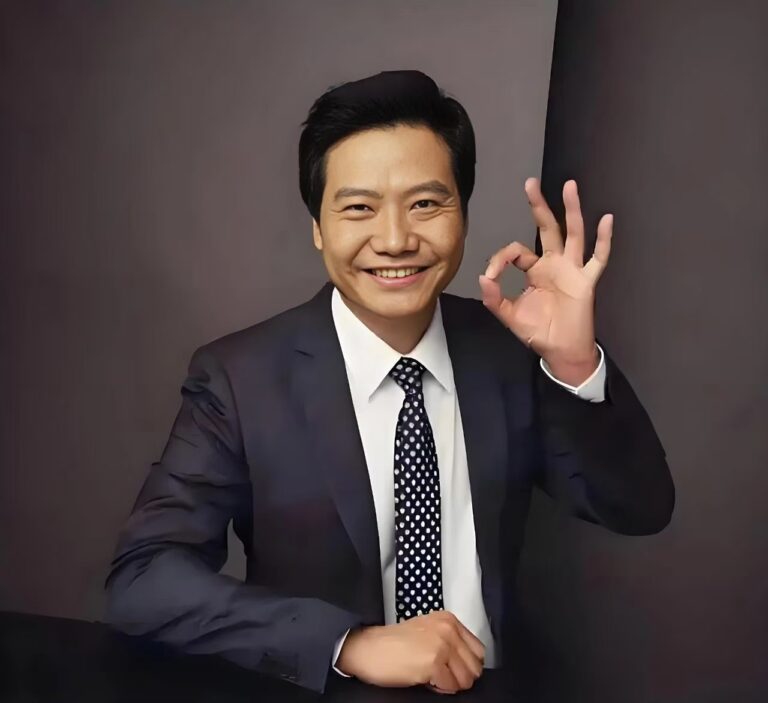
The release of the 2025 Forbes China Rich List marks a pivotal shift in an era: Lei Jun Overtakes Jack Ma-Xiaomi founder Lei Jun, with a fortune of $36.8 billion, has historically Overtakes Alibaba founder Jack Ma in the wealth rankings. This change instantly set social media ablaze. But beyond the buzz, a more profound question emerges: Is this a fleeting moment in the capital markets, or a fundamental transformation in the logic of wealth creation? This article delves deep to uncover the underlying forces behind the reshuffle in the 2025 Forbes List.
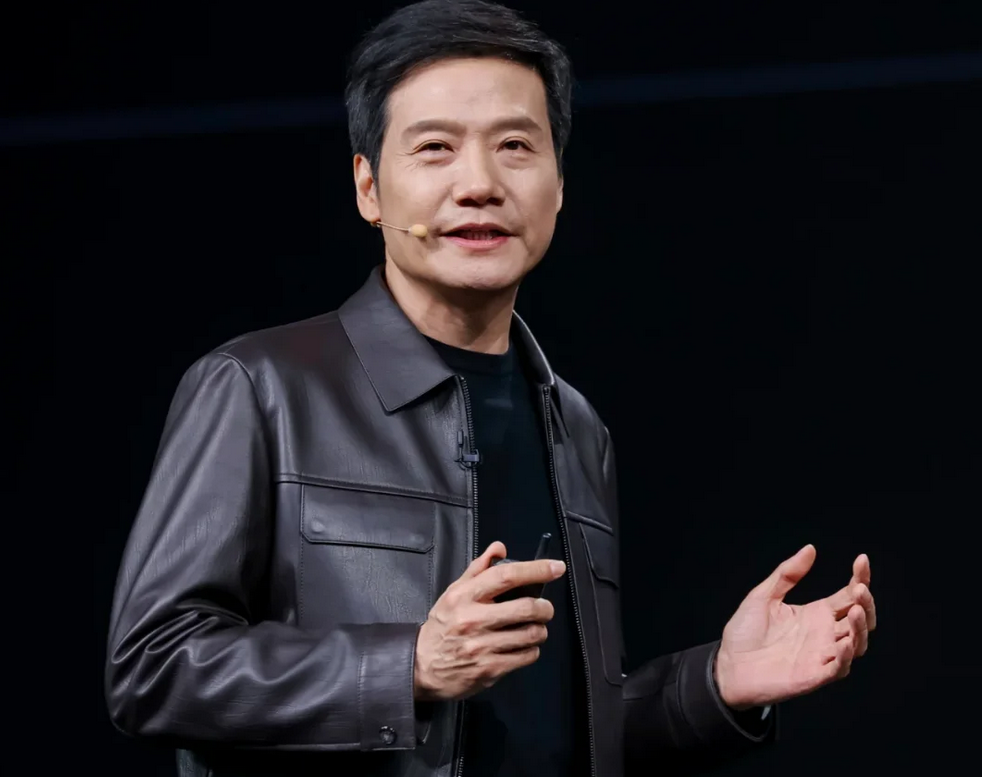
�Want to learn how Lei Jun evolved from a programmer to a tech titan? Click: Lei Jun Career Timeline (2025): Xiaomi Founder’s Journey & Achievements
I. The List Shift: A Quiet Wealth Revolution
Before examining the landmark event of “Lei Jun overtakes Jack Ma,” we must first understand the broader picture revealed by the 2025 Forbes List:
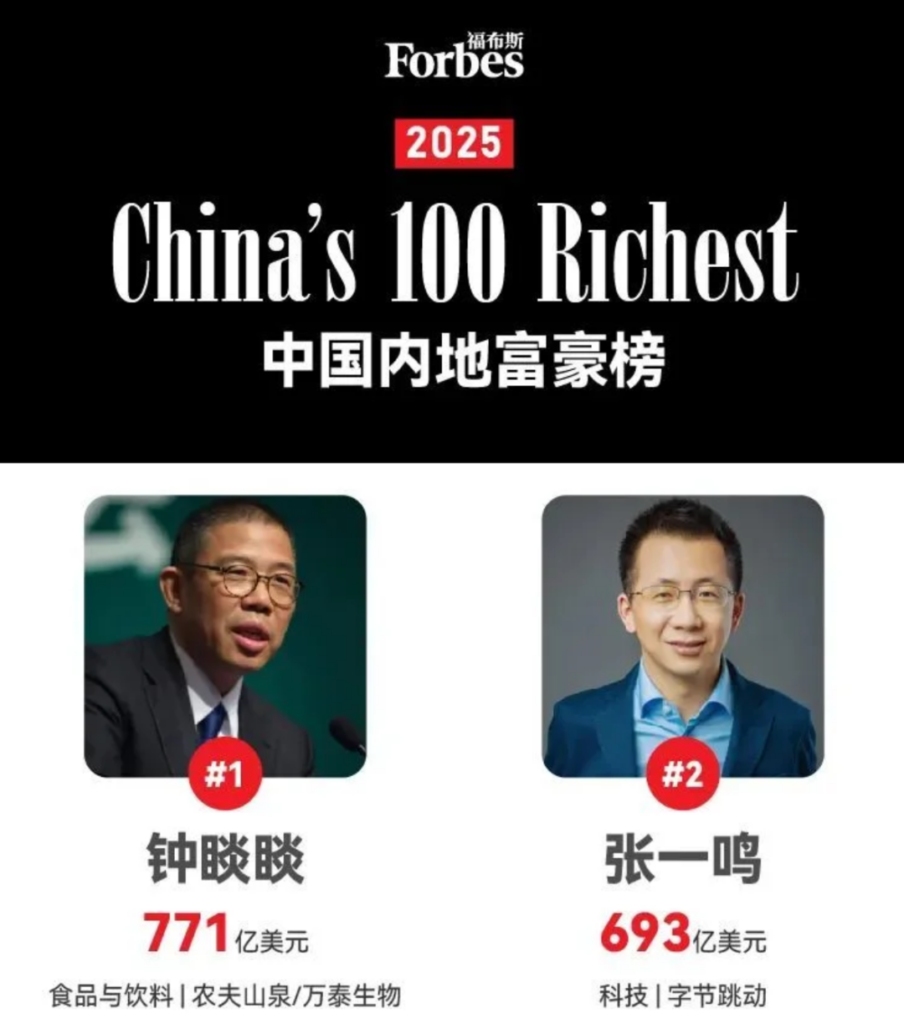
The Unshakable Foundation: Nongfu Spring’s Zhong Shanshan, with his deep roots in the consumer and health sectors, retains his position as the richest person for the fifth consecutive year with a $77.1 billion fortune, demonstrating the remarkable stability of “essential sectors.”

The Changing Order: As Lei Jun, powered by Xiaomi’s automotive and AI ecosystem, surged to 7th place, the former internet icon Jack Ma fell out of the top ten. More tellingly, Meituan’s Wang Xing saw his wealth shrink by $6.2 billion, becoming the “biggest loser.”
The Clear Signal: The list is no longer just a measure of individual wealth; it’s a “barometer” of China’s economic direction. It clearly indicates that the core driver of wealth growth has shifted from internet traffic and platform dominance to hard tech, new energy, and advanced manufacturing.
II. The Logic Unveiled: Why Did Lei Jun Succeed?
“Lei Jun Overtakes Jack Ma” is no accident. Behind it lies the efficiency gap between three distinct paths of wealth creation in the new era.
1. Core Engine: From “Software Ecosystem” to “Hardware Spearhead”
Jack Ma’s era was built on a vast online commercial ecosystem. The sharpest “spearhead” in Lei Jun’s ascent, however, is undoubtedly the Xiaomi Auto.
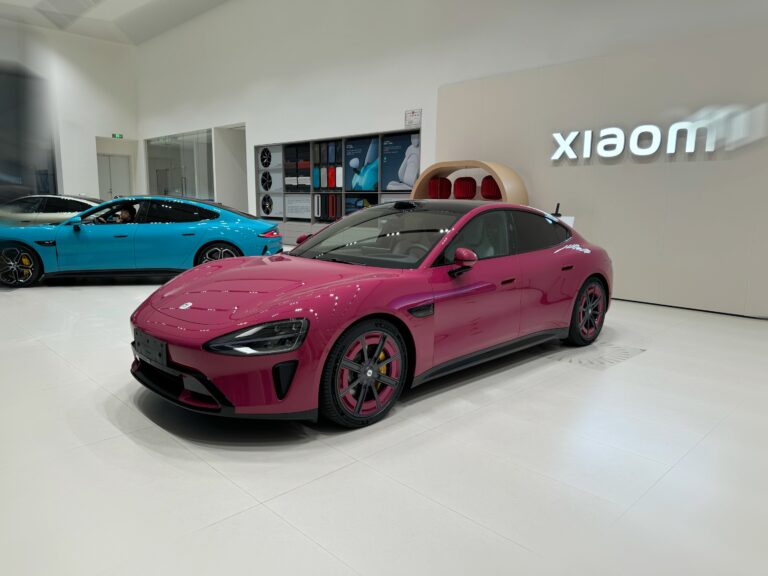
The production and sales miracle of the Xiaomi SU7 series in the first half of 2025 signifies much more than a successful product. It proved that a tech company can, at an astonishing pace, cross boundaries, integrate supply chains, and secure a place in advanced manufacturing. When the news of the “500,000th vehicle rolling off the production line” became a reality, the capital markets responded not just with revenue expectations, but with a comprehensive re-rating of the Xiaomi model and its execution capability. The auto business has become the most solid “ballast and growth engine” in Lei Jun’s wealth portfolio.
2. Growth Model: From “Traffic Empire” to “Collaborative Ecosystem”
Alibaba’s success was built on creating a centralized platform that monopolized traffic. Lei Jun’s strategy, in contrast, is a decentralized yet tightly synergistic tech ecosystem.
Smartphone Business: Successful premiumization has stabilized its global market base.
AI Investments: Precise positioning in companies like Cambricon, whose stock soared during the 2025 AI computing race, brought massive capital gains.
Robotics Frontier: Breaking boundaries, the “CyberDog 2” secured a 2 billion RMB order from JD Logistics, opening up growth space in the B2B sector.
Each node in this ecosystem generates value independently while empowering the others, forming a structure of “industry as the foundation, investment as the wings.” As an industry insider noted, “On Lei Jun’s board, it’s not just about cars; he has laid out a full industrial chain for the intelligent era.”
3. Era Dividend: From “Policy Trends” to “National Strategy”
Lei Jun’s wealth trajectory is highly synchronized with China’s national industrial strategy. He accurately caught two of the most certain super-trends: “New Energy” and “Artificial Intelligence.”
Xiaomi Auto’s deep partnership with CATL captured opportunities across the new energy industrial chain. Meanwhile, being among the first to implement large AI models in smartphone and automotive scenarios has turned Xiaomi’s “Human-Car-Home Full Ecosystem” strategy from concept to reality. At a time when the platform economy faces transition pains, the “hard tech” track represented by Lei Jun has received dual favor from both policy and capital, making the foundation of his wealth growth more solid.
Want a deep dive into the composition of Lei Jun’s $36.8 billion fortune? Visit: Xiaomi CEO Lei Jun’s Wealth Portfolio (2025)
III. The Other Side of the Coin: Jack Ma’s Relative Decline
To fully answer “why Lei Jun overtakes Jack Ma,” we must also examine the challenges facing Alibaba.
Competitive Landscape: Its core e-commerce business is stuck in a red ocean, squeezed by Pinduoduo and JD.com in front, and fiercely challenged by Douyin and Kuaishou e-commerce from behind, making growth ceilings apparent.
Transition Pains: Following antitrust regulations and the “1-to-6” organizational restructuring, the group is still in an exploratory phase, searching for new growth drivers.
Strategic Focus: Jack Ma himself has stepped back from daily operations in recent years, focusing on agriculture and philanthropy. In contrast, Lei Jun remains at the forefront of product launches and strategic announcements, continuously injecting spotlight and traffic into his company and personal brand.
IV. Implications & Future: The Victory of a New Wealth Logic
The event of “Lei Jun overtakes Jack Ma” is far more symbolic than a simple rank change. It heralds the end of an old era and the beginning of a new one.
Future wealth creation will increasingly favor those who can master core technologies, empower the real economy, and align with long-term national development strategies. The wealth structures of the “Hard Tech” camp (exemplified by Lei Jun and Zeng Yuqun) and the “Consumer Health” camp (exemplified by Zhong Shanshan) are demonstrating greater resilience and growth potential compared to the “Internet Platform” camp reliant on traffic monetization.
Returning to our initial question: Did Lei Jun overtakes Jack Ma?
The answer is yes. But this is more than a change in ranking between two individuals; it is a fundamental recalibration of wealth logic. It’s a shift from the virtual economy to the real economy, from business model innovation to technological innovation, from a focus on traffic dominance to a focus on manufacturing supremacy.
The 2025 Forbes List, with its cold, hard numbers, has recorded this quiet revolution for us. And this revolution has only just begun.